



 CLICK TO CALL
Dental Health Blog | Vellore Corners Dentistry
Can You Get a Dental Implant Years After Losing a Tooth?
October 18, 2026 / Dental Implants
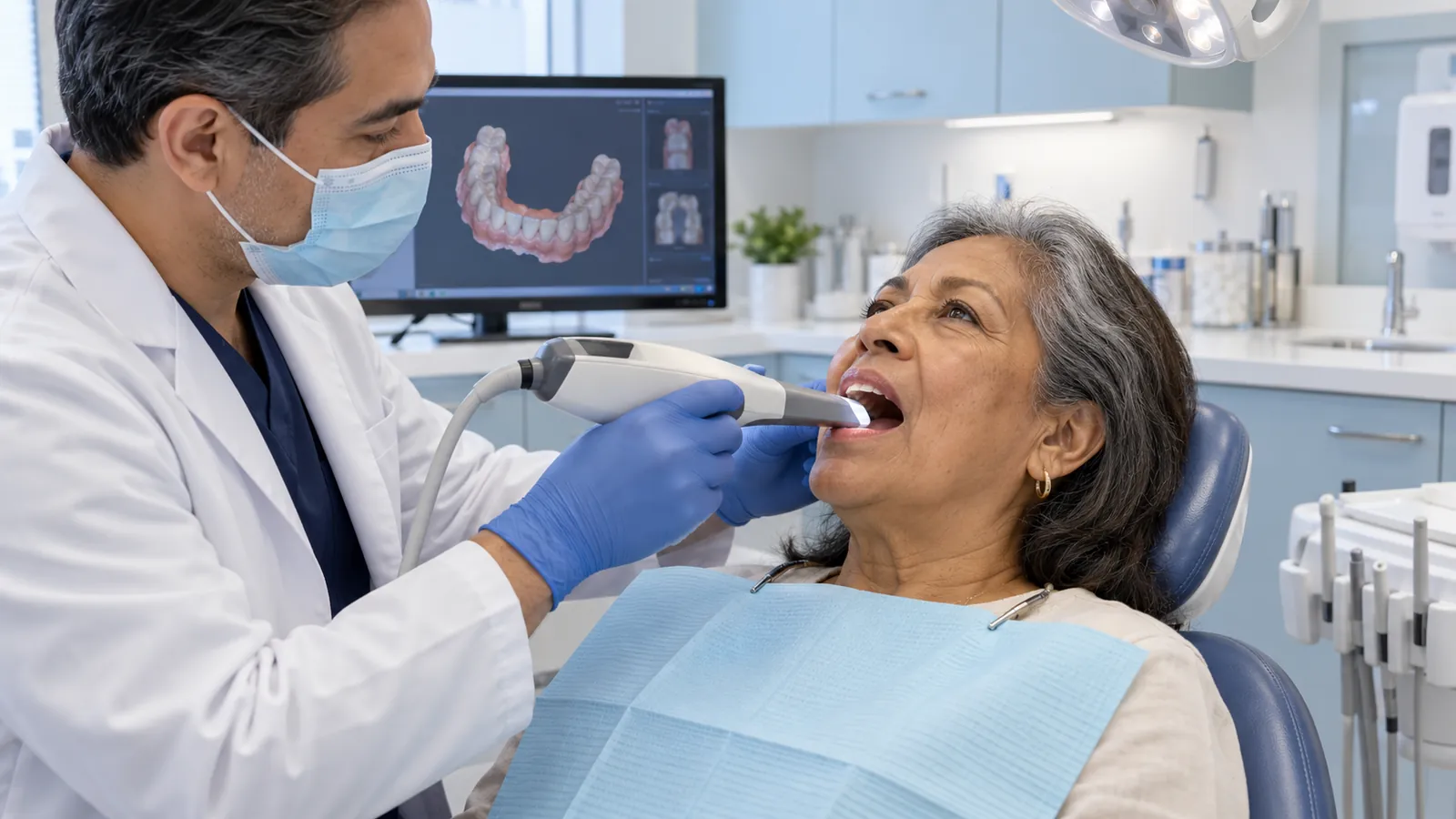
You may still be able to get a dental implant years after losing a tooth. There is no single number of years that decides eligibility. What matters is the condition of the area now: the bone and gums, the space for a replacement, your bite and factors that may affect healing.
Perhaps you put treatment off while raising a family, adjusted to chewing on the other side or were not ready for the expense. You do not need to decide on surgery before asking what is possible. An assessment can help you understand your choices, including options other than an implant.
For people considering dental implants in Woodbridge, the starting point is a current examination, even if someone discussed an implant with you several years ago.
Does Waiting Years Rule Out a Dental Implant?
Waiting does not automatically rule it out, but an old recommendation should not be treated as a current treatment plan. A tooth space that was suitable for one approach at the time of extraction may need a different approach today.
The Canadian Dental Association's implant overview explains that healthy gums, adequate supporting bone and general health are relevant to suitability. An implant replaces a tooth root and supports a replacement tooth. Its placement therefore needs planning beneath the gum as well as in the visible gap.
Tell the dentist roughly when and why the tooth was lost. Was it removed after a fracture, because of decay or during treatment for gum disease? Bring any information about earlier grafting, a previous implant consultation or a replacement you have worn. If you cannot remember the details, say so; you do not need a complete dental history to request an appointment.
There is also no reason to assume you missed your only opportunity because you declined treatment before. Ask for an explanation of your present options without committing to a procedure in advance.
How the Gap and Surrounding Teeth May Have Changed
An older gap can look quite different from a fresh extraction site. Nearby teeth may have moved, and the amount or shape of supporting bone may have changed. These possibilities need assessment rather than assumptions based on how long the space has been there.
Look beyond whether a replacement seems to fit when you smile. The dentist also needs to consider how the upper and lower teeth meet and whether there is appropriate room for the planned tooth. A narrow-looking space does not tell you, on its own, which treatment is feasible.
Describe any changes you have noticed: food collecting beside the gap, a denture fitting differently or difficulty chewing a particular food. Avoid concluding that every change was caused by the missing tooth. The surrounding teeth may have their own problems that also deserve attention.
If you already use a removable replacement, bring it to the visit. Explain what you like about it and what you would change. For example, wanting a more stable replacement is a different concern from being unhappy with the colour of one artificial tooth. These details help make the discussion specific to your daily experience.
What an Implant Assessment Reviews
An implant assessment considers both the proposed implant site and your wider oral health. The dentist may recommend imaging to understand the area and explain whether further assessment is needed. Ask which questions the examination and images can answer, and which decisions remain open.
For dental implants in Woodbridge, Vellore Corners Dentistry offers an assessment of the missing-tooth area. The office is at 9311 Weston Road, Suite 5. When you book, mention that the tooth has been missing for some time and whether you have had any previous implant planning.
Bring an up-to-date medication list and describe your medical conditions, tobacco use and any previous difficulties with healing. Do not stop a prescribed medication because you think it could affect treatment. Let the dental team explain whether information from another healthcare professional is needed.
Be clear about your priorities as well. Is the main concern chewing, appearance, cleaning or the feel of a removable appliance? If your work or caregiving responsibilities make repeated appointments difficult, mention that early. A useful plan needs to address the practical steps as well as the clinical findings.
When Additional Treatment May Be Considered
Some people need preparation before implant placement; others do not. Bone grafting may be discussed when support is insufficient, but the fact that a tooth has been missing for years does not establish that a graft is necessary or suitable.
If additional treatment is recommended, ask the dentist to show you the finding that led to it. What problem would the proposed treatment address? Is it needed for this particular implant plan, and how would the recommendation change if you chose a different replacement?
Other findings may also affect the sequence. Ask whether any gum or tooth problems need attention first and whether the available space needs further evaluation. A referral for a more complex assessment is an opportunity to clarify the plan, not a promise that an implant will ultimately be possible.
Request an outline of the stages, including assessment, any preparatory care, implant placement, healing and the replacement tooth. Ask what you would wear in the gap between stages, if anything. Timing should reflect your findings and healing, rather than a fixed schedule copied from another person's treatment.
Comparing Implants With Other Replacement Choices
An implant is one way to replace a missing tooth. Depending on your circumstances, a bridge or removable appliance may also be discussed. Ask which choices are actually suitable for your mouth before comparing advertised prices or treatment times.
For a bridge, ask how it would be supported and what treatment the supporting teeth would require. For a removable replacement, ask how it would be retained, how to remove and clean it and what adjustments might be needed. For an implant, ask about the surgical and restorative stages separately, including who would provide each part.
Compare the complete plans, not just the first appointment. Request information about expected maintenance, future repairs, follow-up visits and what is included in each written estimate. A quote for implant placement alone may describe a different scope from an estimate that also includes the final replacement tooth.
You can also ask what monitoring would involve if you are not ready to proceed. Discuss the likely implications of waiting in your particular case and when the area should be reviewed. That makes postponing treatment an informed decision rather than an indefinite pause based on uncertainty.
Questions to Ask About a Long-Standing Gap
A consultation is easier to follow when you bring a short list of questions. You do not need to know the technical vocabulary. Ask for explanations in terms of the tooth space you want to address.
- What has changed around this gap, and does it affect my choices?
- Is an implant suitable now, or is more information needed?
- What would additional treatment accomplish?
- Which alternatives should I compare with the implant plan?
- Would I have a temporary replacement during treatment?
- Who would provide each stage and the follow-up care?
- What is included in the estimate, and what could change it?
- What would I need to do to maintain the replacement?
Ask for the proposed sequence in writing if several stages are involved. You can then review it without having to remember every detail from the appointment. If different options sound similar, ask the team to explain the main reason to choose one over another in your case.
Ongoing care remains part of the decision. Vellore Corners Dentistry's guide to protecting teeth and gums offers a starting point for that discussion. Ask for cleaning instructions that suit your actual teeth and any replacement you choose.
Frequently Asked Questions
There is no universal deadline that determines implant eligibility. Waiting may change the situation, so arrange an assessment instead of assuming it is too late. The dentist can explain what is possible now and whether delaying further could affect your options.
No. Grafting depends on the supporting bone and the proposed treatment, not simply the number of years since extraction. If it is suggested, ask why it is needed, whether it is suitable and how it changes the overall plan.
Nearby teeth can shift after tooth loss. An examination can establish whether that has happened and whether it affects space or the bite. What you can see in a mirror is only part of the assessment.
Possibly. Several missing teeth require a plan for the whole area, and the number of replacement teeth does not automatically determine the number of implants. Ask how the proposed replacement would be supported and what alternatives are appropriate.
Ask about other ways to address the missing tooth, including whether a bridge or removable option could meet your needs. The recommendation should explain the trade-offs for your mouth, priorities and ability to maintain the replacement.
Discuss Your Questions With Vellore Corners Dentistry
A long-standing gap is a reason to ask questions, not to assume there are no choices left. Contact Vellore Corners Dentistry to discuss an assessment in Woodbridge. Bring what you know about the missing tooth and what you hope to improve, so the conversation starts with your current needs.


